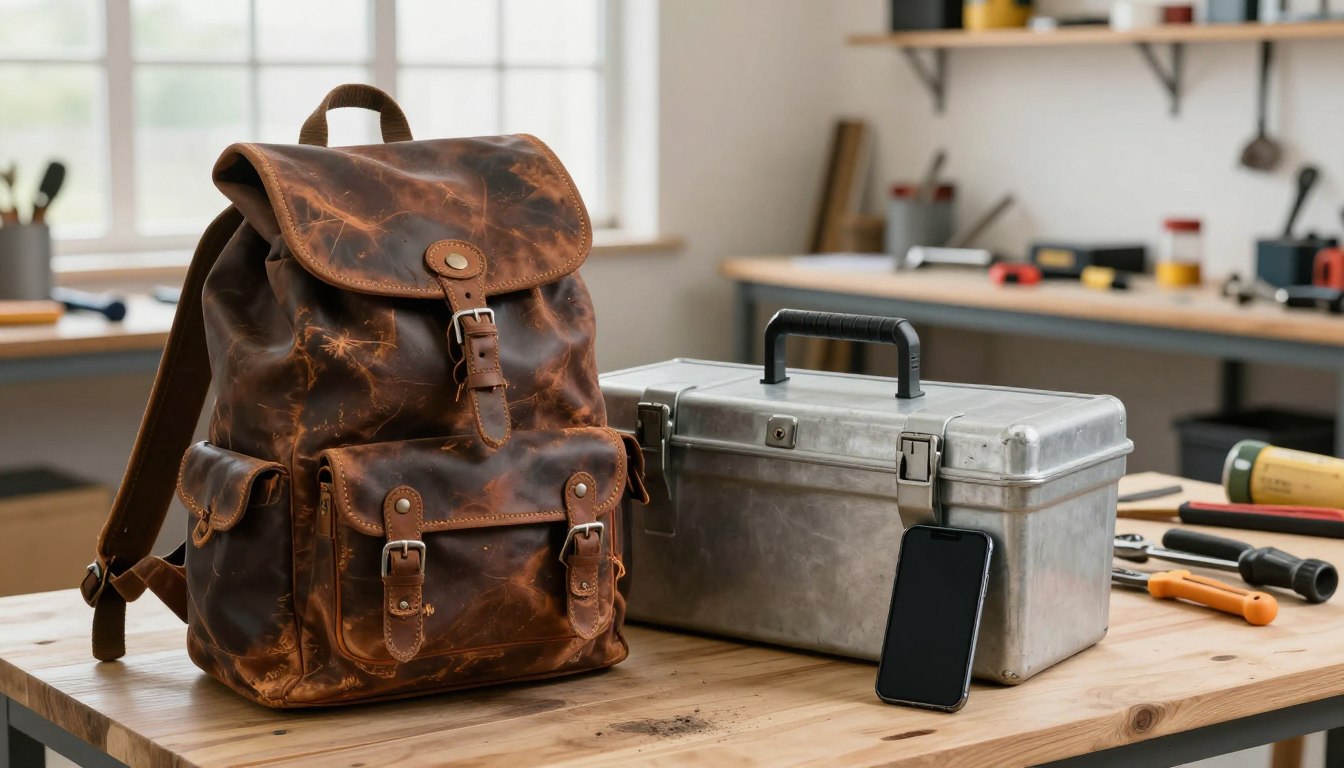
What does the word durability really mean? According to Merriam-Webster, it’s the quality of being able to exist for a long time without significant damage. This simple definition from the dictionary holds the key to smarter shopping.
The concept is all about an item’s power to resist wear. It’s the strength that lets a product face daily use and the passage of time. When something is durable, it doesn’t just survive. It thrives in your home for years.
Understanding this quality helps you find goods that offer real value. This guide will show you how to spot items built to last. You’ll learn to make choices that save money and cut down on waste. Let’s explore how to build a longer-lasting life with the things you own.
Key Takeaways
- Durability is defined as the ability to last a long time without wearing out.
- It represents a product’s inherent strength and power to withstand daily use.
- Choosing durable items is a smart financial decision that saves money over time.
- Knowing what makes a product long-lasting helps you become an informed consumer.
- This guide provides practical tips for identifying high-quality, reliable goods.
- Investing in durability helps reduce waste and the need for frequent replacements.
- The goal is to help you make purchases that stand the test of time.
Understanding Durability: Definitions and Etymology
The journey of the term ‘durability’ through language reveals its deep connection to endurance. To fully appreciate a product’s lasting power, we must look at its name and history.
Merriam-Webster and Dictionary Definitions
When you check a standard dictionary, you find a clear meaning. It describes the quality or state of being able to last a long time.
Merriam-Webster offers extensive lists of related words. These synonyms and antonyms help clarify why this term is central to discussions of strength and longevity.
Etymology and Word History Explained
The term has a rich background. It originated from the Middle English word durabilite.
This traces back to the Late Latin durabilitat and the Latin durabilis. Understanding this origin shows how the concept has been a linguistic pillar for generations.
| Language Stage | Term | Core Meaning |
|---|---|---|
| Latin | durabilis | Able to last, enduring |
| Late Latin | durabilitat | The state of lasting |
| Middle English | durabilite | Quality of endurance |
| Modern English | durability | Capacity to withstand wear over time |
This evolution highlights a consistent focus on endurance. The word’s history mirrors our lasting desire for reliable goods.
Exploring Key Durability Terms and Synonyms
To truly judge a product’s staying power, you need the right words at your fingertips. Building your vocabulary with precise terms turns you into a more informed shopper.
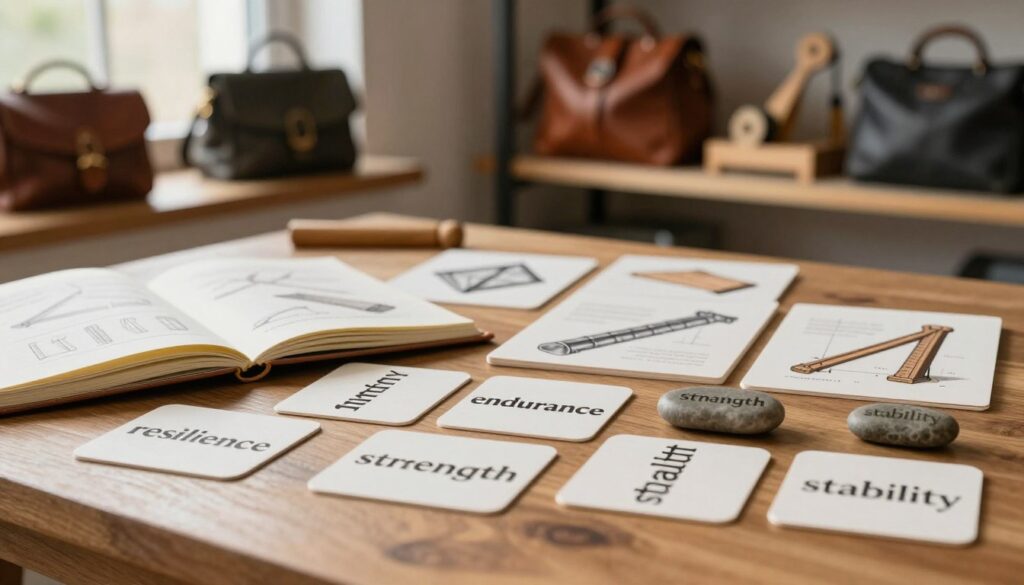
Related Words and Synonyms
Words like endurance, firmness, and stability are key synonyms. They help describe the physical traits of long-lasting goods.
Each term adds a different shade of meaning to the core idea of durability.
Word Associations and Vocabulary Building
Learning this specific language helps you articulate why one item feels more robust than another. It sharpens your ability to spot quality during reviews or in a store.
Insights from Interactive Word Lists
Platforms like Vocabulary.com offer over 17,000 interactive word lists. These tools are designed by language specialists.
They feature curated lists with terms like potence and sturdiness. Using flashcards and a “word day” approach makes learning engaging.
This practice improves your skill in identifying well-made products.
| Term | Core Meaning | Common Association |
|---|---|---|
| Endurance | Ability to withstand prolonged stress | Long-term use |
| Firmness | Resistance to pressure or deformation | Structural integrity |
| Stability | Ability to remain unchanged or steady | Reliability over time |
| Sturdiness | Robust and strongly built | Physical strength |
| Potence | Inherent power or strength | Latent capacity |
Mastering this word list gives you the tools to demand better durability. It connects your dictionary knowledge directly to real-world value.
Durability in Everyday Products and Business Models
Consider the Manx Electric Railway on the Isle of Man. Its original tramcars have operated since 1906. This is a powerful example of engineering built to last.
Examples of Durable Goods in Daily Life
In economics, the word “durable goods” defines products with a long usable life. They withstand the challenges of normal operation for many years. Common examples include major appliances and solid furniture.
A modern business model now prioritizes this long-term ability. Companies in the durability business focus on performance over rapid turnover. This shift responds to consumer demand for reliability.
Building things to last is not just good engineering; it’s good business.
Every long-lasting item must survive the test of time without excessive upkeep. Physical properties like toughness and rustproofing are key. They directly contribute to a product’s overall lifespan in your home.
Assessing Product Durability and Maintenance
Legal standards and sustainability models now recognize that longevity is a core measure of a good product. True assessment looks at both a product’s built-in toughness and how easy it is to care for over the years.

Reliability Testing and Environmental Resistance
Reliability testing checks a product’s real-world strength. It simulates years of use by evaluating resistance to fatigue, abrasion, and corrosion.
This process also exposes items to harsh environmental conditions. The goal is to verify their ability to function reliably for a long time.
Strategies for Repairability and Regenerability
Good design includes plans for repair and renewal. This focus on regenerability keeps goods functional after years of heavy use.
Tim Cooper’s 2005 model shows how longer lifespans are key to sustainable consumption. The word “maintenance” becomes a strategy, not a chore.
| Assessment Pillar | Key Focus | Primary Goal |
|---|---|---|
| Testing | Environmental & wear resistance | Prove initial strength and quality |
| Maintenance | Repairability & regenerability | Extend functional lifespan and value |
This dual approach is backed by law. For example, a 1994 UK law made durability a legal quality standard. Smart shoppers now look for both proven toughness and easy repair.
Expert Tips to Boost Durability
Experts like J. Lienig and H. Bruemmer have reshaped how we think about building things to last. Their 2017 design strategy shows that true durability must be woven into a product from the start.
Practical Methods for Enhancing Product Lifespan
Follow a practical word list of maintenance actions. Simple care steps can greatly extend an item’s time in your home.
This vocabulary of care turns you into an active partner in your product’s life.
Adapting to Technical and Design Developments
Good design now means creating items that can evolve. Dedicate a word day to learning about new materials.
This gives you the power to spot high-quality items that use the latest advances.
Integrating Durability in Business Strategies
A successful durability business model creates products that are strong and adaptable. Companies provide clear examples and word lists about their manufacturing language.
Supporting these business practices leads to smarter, more sustainable choices for everyone.
Conclusion
The true test of any product isn’t just its first impression, but how well it stands up to years of use.
We’ve shown how a strong vocabulary—including specific words like endurance and stability—helps you spot this quality. Your new word list, built from dictionary basics and expert terms, is a powerful tool for smarter shopping.
This knowledge helps us all move away from a throwaway culture. Use those interactive lists to find goods made for the long haul.
Choosing items with proven durability means less waste and more value. It’s the best way to build a sustainable, efficient home that lasts.