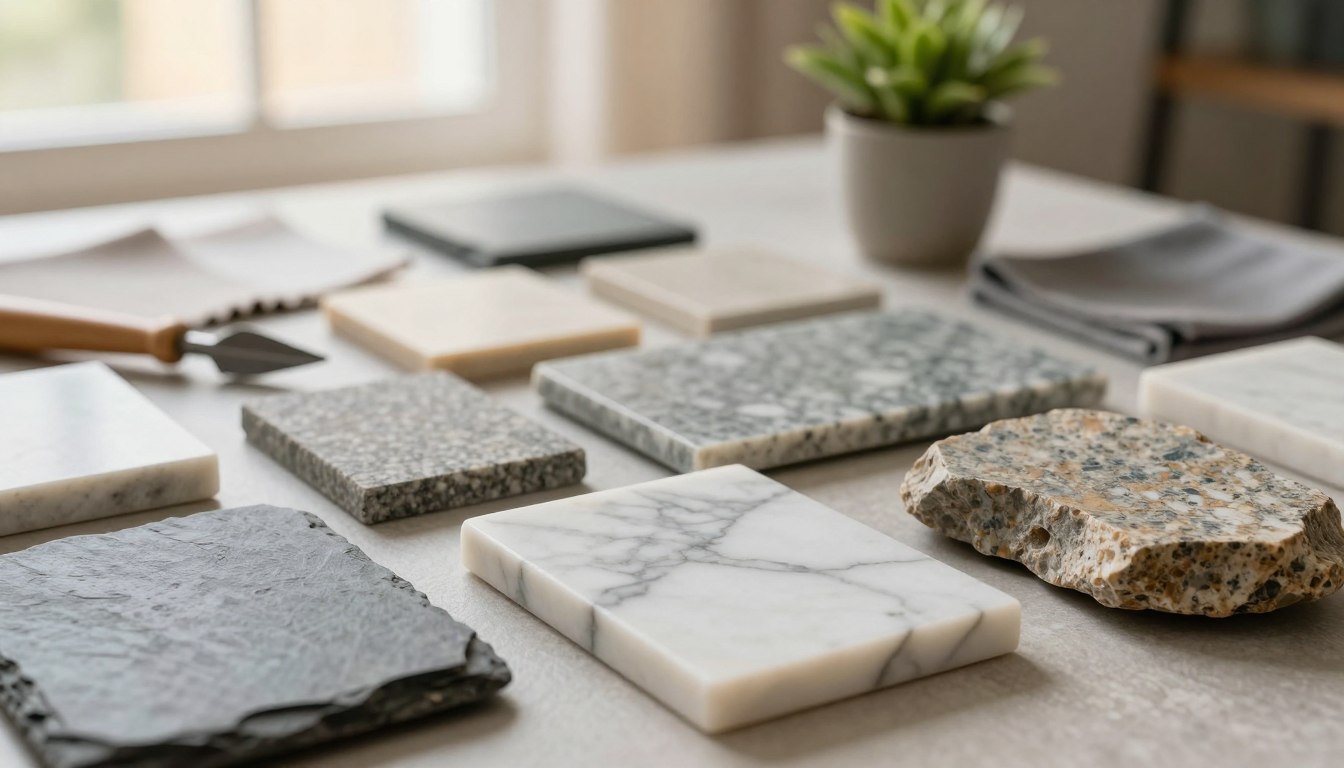
Welcome to your ultimate resource for creating stunning and long-lasting environments. For millennia, builders and designers have turned to a remarkable organic rock quarried directly from the earth. Its timeless appeal lies in its unique character and inherent strength.
This guide will show you how this incredible material can transform your next home project. We explore how it is sourced and processed to become a centerpiece for any living space. You’ll discover how to achieve both beauty and structural integrity that lasts for generations.
Resources from organizations like the Natural Stone Institute support professionals in creating these amazing spaces. Our comprehensive analysis covers everything from geological origins to practical design applications. You will learn to select the perfect fit for your aesthetic vision and functional needs.
By the end, you’ll be equipped to make confident choices. You can bring the authentic beauty and unique character of these elements into your own environment. Let’s begin the journey to a more beautiful and durable space.
Key Takeaways
- This material has been a trusted choice in design and construction for thousands of years.
- It is an organic rock that is quarried from the earth for decorative and structural use.
- Its primary benefits include exceptional durability and one-of-a-kind beauty.
- Choosing the right type is crucial for the success of any home improvement or building project.
- Professional resources are available to help with selection and installation.
- This guide will help you understand its origins and how to use it effectively in your space.
- Using these elements can transform an environment with lasting style and value.
Introduction to Natural Stone and Home Projects
Have you ever wondered what makes certain homes feel uniquely elegant and enduring? Many homeowners are curious about the specific materials used. Industry artisans often find that this quarried rock is not something everyone knows well.
These experts field many questions. They help clients see why this element is so distinct from manmade options. Its unique character comes from the earth itself.
We aim to bring you up to speed on the essential facts. You’ll learn about the makeup and use of various rock types for your home. This knowledge is key for any renovation or new construction project.
Understanding the basics lets you make smart choices. You can plan a high-end building project with confidence. From definitions to categories, we give you the foundation.
| Common Question | Quick Insight | Main Benefit |
|---|---|---|
| What exactly is it? | It’s a genuine rock formed by nature over millions of years. | Every piece has a one-of-a-kind pattern. |
| Why is it a premier choice? | It offers unmatched durability and a timeless aesthetic. | It adds long-term value to your property. |
| Where can I use it? | It’s versatile for floors, walls, countertops, and more. | It instantly elevates the design of any room. |
This foundational knowledge helps you appreciate the complexity and charm of natural stone. You’ll be ready to explore its full potential for your own beautiful and durable space.
What is Natural Stone?
At its heart, this material is nature’s own artwork, solidified over eons. It is defined as an organic rock quarried from the earth for building and decoration.
This quarried material brings a timeless quality to any space. Its origins are deeply rooted in the planet’s geological history.
Definition and Origins
This rock is a solid composition made up of one or more minerals. These elements fuse together under immense pressure and heat over thousands of years.
Quarrying extracts these blocks from the earth. The process reveals the unique beauty locked inside each slab.
Unique Characteristics and Variations
Because it is a product of nature, no two pieces are entirely alike. Minute differences in color, veining, and texture are guaranteed.
Even slabs from the same quarry will have subtle variations. These are not flaws but innate characteristics that add complex charm.
This ensures every installation is a one-of-a-kind masterpiece. Your finished design will have a personality completely its own.
| Characteristic | What It Means for Your Design |
|---|---|
| Mineral Composition | Creates unique visual patterns and color depth that man-made materials cannot replicate. |
| Natural Variation | Guarantees your project is unique, with subtle shifts in veining and hue adding organic interest. |
| Inherent Durability | Provides long-lasting beauty and strength, making it a wise investment for your home. |
This inherent variability is the core appeal of using genuine rock. It transforms standard surfaces into focal points with authentic character.
The Unique Origins and Formation of Natural Stone
To understand the material we use today, we must travel back millions of years. This durable rock we quarry for our homes has a fascinating birth story. Its formation under extreme conditions is what gives it such strength and beauty.
Geological Processes and Mineral Composition
After our planet originated, mineral gases filled the Earth. They eventually condensed to form a solid mineral core and crust. Intense pressure, expansion, and heat then morphed the crust into enormous rock beds.
The way the stone formed thousands of years ago dictates its unique mineral composition. This also determines the structural density of the material we use now. Different minerals create the stunning visual patterns we see.
Natural Aging and Erosion
These processes did not stop when the rock solidified. Natural aging and erosion continue to influence the character of the material. They create the diverse patterns found in various stone material deposits today.
Wind, water, and time act like artists on the rock. This ongoing transformation ensures every quarry yields unique slabs. Your project gains a one-of-a-kind piece of Earth’s history.
These massive beds are the primary source for contemporary architecture and design. They provide the genuine, quarried stone that brings timeless elegance to spaces.
Exploring the Science Behind Stone Formation
To grasp why stone lasts for generations, we must look at the extreme conditions that created it. The process is a magnificent display of Earth’s raw power. It turns simple elements into the robust material we build with today.
Pressure, Heat, and Natural Transformation
The science begins with complex geological events. Immense heat and pressure work together over eons. They transform basic minerals into durable, solid rock structures.
As our planet cooled, mineral gases condensed. This led to the creation of various rock types. Many contain unique concentrations of tough quartz and other elements.
This natural transformation is key. It gives the material its critical density and hardness. These traits ensure long-term performance in any building.
Understanding this history helps professionals greatly. They can match the right rock type to its perfect application. It’s all based on the specific mineral makeup.
The geological story of Earth is locked inside every slab. It’s a permanent record of the intense forces that shaped our world. This knowledge turns selection from a guess into a smart, informed choice.
Types and Varieties of Natural Stone for Home Décor
Selecting the right material for your surfaces is a key decision. It impacts both style and daily life for years to come.
Many beautiful and durable rock varieties are available. Each offers unique benefits for different applications in your home.
Granite, Marble, Limestone, and Sandstone
Granite is a premier choice for heavy-use areas like kitchen countertops. Its renowned strength and abrasion resistance ensure it stands up to daily life.
Marble brings a warm, sophisticated aesthetic to spaces. It is a frequently used building stone for vanity tops and fireplace facings.
Limestone and sandstone offer earthy color palettes. These are commonly used building stone varieties for backsplashes or exterior cladding.
Other Popular Varieties and Their Characteristics
Beyond these classics, several other rock types provide distinct looks. Homeowners have many stones used in modern design.
- Quartzite & Slate: Offer high performance for flooring with exceptional strength.
- Travertine & Soapstone: Provide unique veining and a soft, tactile feel.
- Onyx & Serpentine: Deliver dramatic visual depth and vibrant color variations.
Exploring all these varieties helps you find the perfect match. You can select stones used for both beauty and lasting performance.
Benefits of Choosing Natural Stone for Beautiful and Durable Spaces
Why do top designers consistently specify quarried rock for high-end projects? The answer lies in its proven benefits.
This material offers unmatched durability. It has been tested by geological forces over thousands of years.
The inherent beauty of the rock adds a level of elegance. Its unique mineral composition cannot be replicated by synthetic materials.
“Using genuine building stone is a sustainable choice. It connects your home to a long-lasting, earth-friendly environment.”
This quarried material is also a practical and healthy option. For example, limestone resists mold and bacteria effectively.
This makes it a superb choice for bathrooms and kitchens. You gain a hygienic surface that is also beautiful.
| Key Benefit | Practical Example | Long-Term Impact |
|---|---|---|
| Proven Durability | Withstands daily wear in high-traffic areas. | Maintains integrity and function for decades. |
| Unique Aesthetics | Each slab has one-of-a-kind veining and color. | Creates a custom, high-value look that never goes out of style. |
| Health & Hygiene | Limestone’s resistance to microbes. | Promotes a cleaner, safer living space for your family. |
| Sustainable Choice | A product of the earth with minimal processing. | Reduces environmental footprint and supports eco-conscious design. |
Investing in this material ensures your space remains beautiful and functional. The stone ages gracefully, often with minimal maintenance.
You are not just selecting a surface. You are choosing a legacy of quality for your home.
Natural Stone in Architecture and Modern Building Trends
Architects today are rediscovering the timeless power of genuine rock in contemporary structures. This material is no longer just for classical facades. It’s a dynamic component in modern design.
Professionals use it for dramatic interior features and sleek exterior cladding. The goal is to create striking visual statements that feel both new and eternal.
Case studies featured in the Natural Stone Institute calendar show this balance. Architects select specific types of rock for commercial projects. They need beauty that performs.
“The right material connects a building to its site. It provides aesthetic warmth and structural confidence for decades.”
A key trend is the use of thin veneer applications. This innovative approach reduces weight and cost. It maintains the durability and character people love.
Selection is critical for any building exterior. Architects choose based on a rock’s ability to withstand local weather. This ensures the project’s longevity and reduces future maintenance.
By integrating this earth-born material, professionals create spaces that feel grounded. The result is an environment that feels permanent and deeply connected to the world around us.
Creative Applications for Natural Stone in Interior Design
Interior design reaches new heights when incorporating genuine rock elements. This quarried material offers incredible versatility for shaping beautiful rooms.
Once extracted, slabs can be molded into many forms. You get paving pieces, decorative tiles, and more for unique projects.
Flooring, Walls, and Countertops
Designers often use wall stones to create stunning focal points. A feature wall in a living room adds instant drama and texture.
For high-traffic areas, floor pieces provide a cool, durable surface. They handle daily life while looking elegant for years.
Kitchens shine with durable countertops made from this material. The unique minerals in each slab make every surface a piece of functional art.
Cutting the rock into various shapes allows for intricate patterns. This is perfect for a stylish backsplash or an entire accent wall.
Whether used simply or boldly, it brings a sense of luxury and permanence. Your space gains character that synthetic options cannot match.
Exploring Natural Stone Tile Finishes and Textures
The ultimate appearance of your tiled surface depends significantly on the selected finish treatment. Brands like StoneImpressions craft decorative stone tiles from materials such as Carrara Blanco and Honed Dolomite. Each finish provides a unique look and feel for your project.
Polished, Honed, and Tumbled Finishes
A polished finish involves grinding and buffing the rock surface repeatedly. This creates a shiny, reflective appearance that highlights the material’s inherent beauty. It is a popular choice for countertops and accent walls.
Honed finishes deliver a smooth, matte surface with a velvety texture. This slip-resistant quality makes it ideal for bathroom floors and other high-traffic areas. It offers a sophisticated, understated aesthetic.
Tumbled finishes achieve a rustic, antiqued look. Workers tumble pieces stone in a barrel to soften and weather the edges. These pieces stone often feature rounded edges and a timeworn charm.
Texture, Color, and Surface Variations
The texture and color variations in these tiles contribute to their complex character. Each piece showcases unique mineral patterns that add charm to any design. The rock used determines the base color and veining.
Surface differences arise from the material’s geological formation. These natural variations ensure every installation is one-of-a-kind. Selecting the right finish, texture, and color harmony is key for a cohesive design.
| Finish Type | Appearance | Best Use |
|---|---|---|
| Polished | Shiny, reflective | Countertops, feature walls |
| Honed | Smooth, matte | Bathroom floors, high-traffic areas |
| Tumbled | Rustic, antiqued | Backsplashes, outdoor patios |
Expert Tips for Selecting the Right Natural Stone Material
Navigating the selection process for durable rock surfaces can be simplified with a few key tips. Getting the right slab for your countertop or floor makes all the difference.
Quality Assessment and Design Considerations
First, assess the quality of the rock. Look for consistent density and check for any deep fissures. Think about your design project’s specific needs from the start.
Experts also recommend checking the edge profile and the base color. The edge style should match your room’s aesthetic. The base hue must complement your existing decor under real lighting.
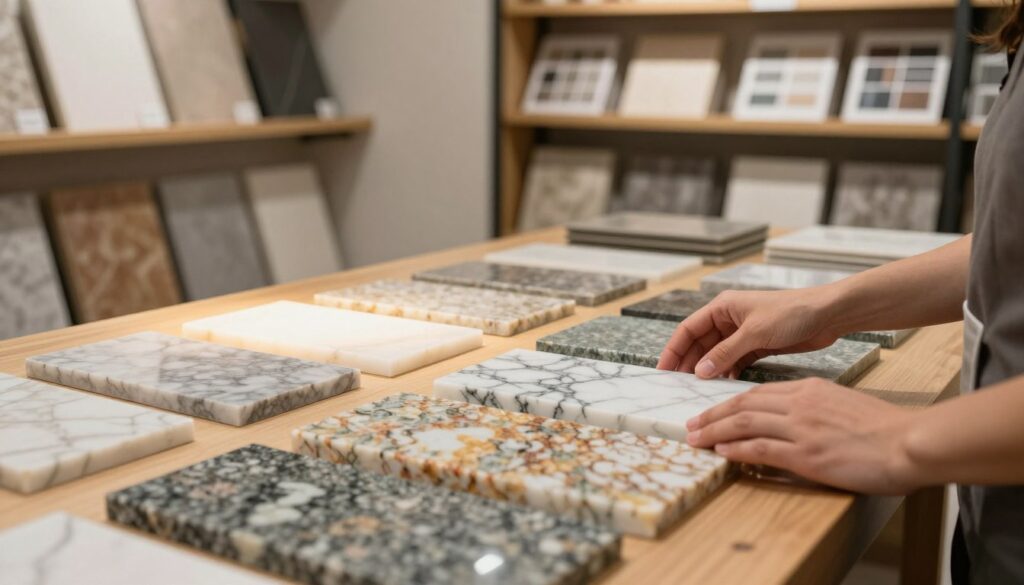
For reliable guidance, use resources like the Natural Stone Institute catalogue. Their accreditation program helps you find fabricators who meet high standards. This ensures product knowledge and professional reliability.
| Selection Factor | Expert Checkpoint | Impact on Your Project |
|---|---|---|
| Material Quality | Inspect for consistent density and minimal fissures. | Ensures long-term durability and performance. |
| Edge Profile | Choose a profile that matches your design style. | Affects the finished look and safety of the surface. |
| Base Color Harmony | View samples in your actual lighting. | Guarantees the material complements your space. |
| Intended Use | Match the rock’s hardness to traffic levels. | Prevents premature wear in high-impact areas. |
Always consider the intended use of the material. Some types are better for high-traffic flooring than delicate walls. Working with accredited professionals guarantees your choice fits your installation and long-term needs perfectly.
How to Maintain and Care for Your Natural Stone Surfaces
Preserving the pristine look of your investment starts with a simple, consistent care routine. Proper upkeep is crucial for keeping these beautiful features stunning for decades.
Always clean your surfaces with a mild, pH-neutral cleaner. This protects the integrity of the rock and its lovely finish. Harsh chemicals or acidic solutions can etch the surface and dull its luster.
Because this material is porous, periodic sealing is essential. A quality sealer prevents stains and ensures long-term durability in your home. It creates an invisible shield that safeguards the rock.
For high-traffic areas, a little routine care makes a big difference. Wipe up spills promptly and use coasters. This helps preserve the texture and color of your stone.
| Maintenance Task | Recommended Frequency | Key Benefit |
|---|---|---|
| pH-Neutral Cleaning | Daily / As needed | Removes dirt without damaging the finish |
| Sealing Application | Every 1-3 years | Prevents liquid penetration and staining |
| Avoid Harsh Cleaners | Always | Protects against etching and discoloration |
| Professional Consultation | At installation & as needed | Provides tailored advice for your specific surface |
If you’re unsure how often to seal your material, consult an industry expert. Resources from the Natural Stone Institute offer reliable guidance. With the right care, your surfaces will remain a beautiful centerpiece.
Debunking Myths and Misconceptions About Natural Stone
Let’s clear the air on some common misunderstandings surrounding this classic building material. Many homeowners hesitate due to outdated or incorrect information.
Myth vs. Fact Analysis
A frequent myth is that color variations or veining are flaws. In truth, these are innate characteristics of the rock that add unique value and beauty to your surface.
Many believe this material is impossible to maintain. The fact is, with the right sealant and a proper cleaning finish, it is incredibly durable and long-lasting.
Another misconception is that all stone is the same. Different varieties have unique mineral compositions. This dictates their specific use and performance in your project.
Some fear the material will be too cold. It is actually an excellent conductor for radiant heating systems due to its thermal properties.
By analyzing these facts, you can see that stone is a practical and highly versatile choice. The right finish and care make any rock surface a beautiful, functional asset for a modern home.
Industry Insights: Trends and Education from the Natural Stone Institute
For nearly two decades, a key institute has set the benchmark for quality and safety in the rock industry. The Natural Stone Institute leads with programs that elevate professional standards.
Their work ensures that beautiful and durable spaces are built with expertise and care. This commitment shapes the entire sector’s future.
Accreditation Programs and Continuing Education
The Institute’s Accreditation Program is nearing its 20-year milestone. It validates fabricators and installers who meet rigorous quality benchmarks.
Continuing education is a major focus. Regular webinars and courses keep professionals updated on the latest building trends and techniques.
The industry also honors its pioneers. Guido Gliori received a 2025 Lifetime Achievement Award for his lifelong contributions to the stone world.
Latest News and Safety Initiatives
Worker safety is a top priority. The institute collaborated with the Yale School of Medicine on new guidance for respirator use.
This initiative helps protect employees from airborne particles. Specialized certificates for silica safety and slab handling are also offered.
These programs create a safer environment for everyone handling this material.
| Institute Pillar | Key Initiative | Industry Impact |
|---|---|---|
| Accreditation | 20-year program for fabricators | Ensures consistent quality and reliability |
| Education | Webinars on building trends | Keeps professionals at the forefront of design |
| Safety | Yale-backed respirator guidance | Protects worker health in the rock sector |
Through these efforts, the institute fosters a knowledgeable, safe, and innovative community. This benefits every project using natural stone.
Innovative Design Ideas Using Natural Stone Tiles and Materials
Imagine transforming a blank wall into a captivating gallery of earth’s artistry with custom-cut tiles. Companies like StoneImpressions specialize in Made to Order art tiles for unique projects.
Designers often blend polished and honed finishes on one surface. This mix creates exciting contrast and visual texture.
You can create custom patterns on various stone bodies. This allows your personal style to shine through in any room.
Combining different varieties of quarried stone adds depth. It creates a layered look full of character for your home.
| Design Technique | Key Element | Best For |
|---|---|---|
| Custom Art Installation | Focal Point Wall | Personal Expression |
| Finish Contrast | Polished & Honed Textures | Visual Interest |
| Pattern Creation | Various Tile Shapes | Unique Style |
| Variety Layering | Multiple Stone Types | Depth & Character |
The versatility of these tiles allows for endless creative possibilities. Your next project can have a classic or a totally contemporary feel.
Planning Your Future Home Project with Natural Stone Inspiration
Dreaming of a home transformation? Let the Natural Stone Institute catalogue be your first stop for inspiration. This resource helps buyers identify the right material for their future projects.
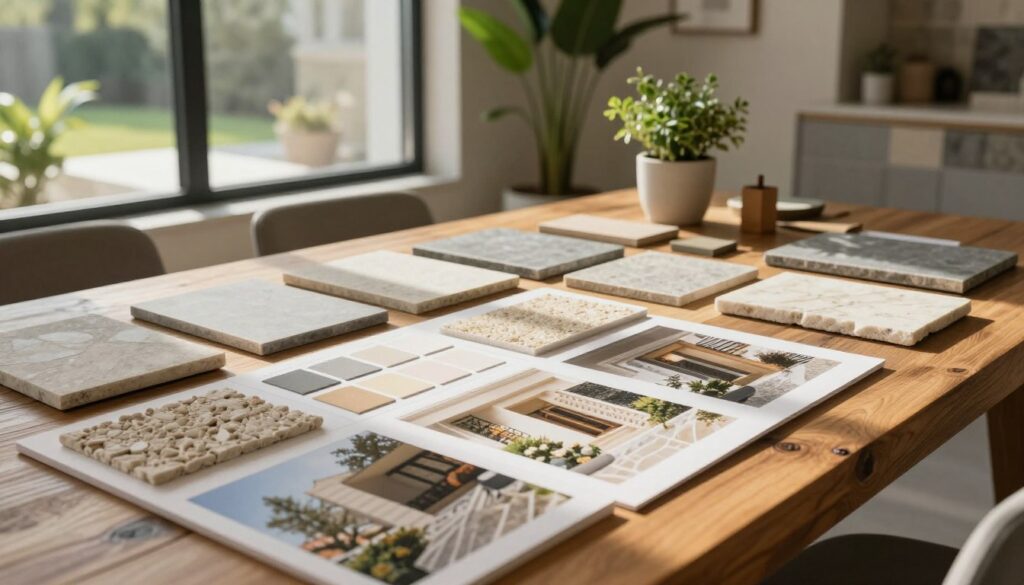
Consider how the color and texture of the rock will look in your space. Pay close attention to the edge details and the base tone of the slab.
Think about how you can incorporate unique stone pieces into your design. These elements create a look that is both timeless and personal to your home.
Working with a professional will help you navigate the selection process. They ensure the rock you choose is perfect for your specific project.
With careful planning and the right materials, you can create a beautiful, durable space. Your home will be enjoyed for many years to come.
Conclusion
You now possess the insights to select a material that combines timeless beauty with practical strength. This guide has shown the incredible potential of natural stone for your future project.
From the deep formation of the rock to its final polished finish, this choice offers unmatched durability. It brings a sense of permanence to any design.
Remember, every slab and tile is unique. This inherent character adds history and artistry to your walls and floors.
For quality assurance, utilize resources from the Natural Stone Institute. They help ensure your installation meets high standards for safety and performance.
We encourage you to explore the rich variety of marble, granite, limestone, and sandstone. Find the perfect fit for your vision.
Thank you for exploring the world of lasting surfaces and elegant tiles. Your journey to a more beautiful home is well underway.