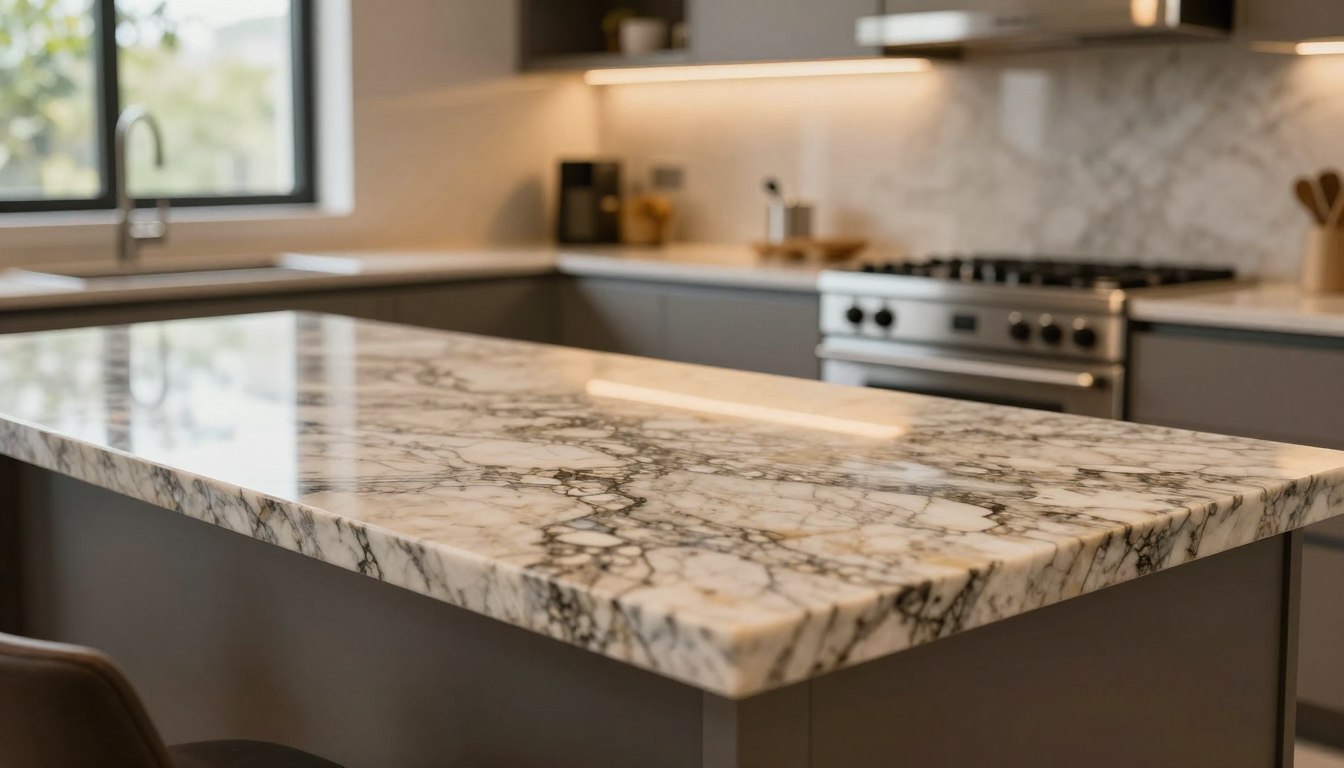
Choosing the right surface for your home renovation is a big decision. You want something that looks stunning but can also handle the chaos of daily life. This is especially true for busy rooms like the kitchen and bathroom.
One exceptional option is a natural stone formed deep within the earth. It begins as sandstone and transforms under incredible heat and pressure. This process creates a remarkably strong and beautiful material prized by designers.
This guide is your roadmap to understanding why this durable stone is a top pick for modern homes. We will help you learn how to spot the real thing versus other look-alikes. This knowledge protects your investment and ensures lasting value.
We will walk you through everything from picking your perfect slab to easy care tips. By the end, you’ll feel confident selecting a surface that stands up to your family’s needs. Get ready to fall in love with a countertop that combines rugged strength with elegant style.
Key Takeaways
- Quartzite is a metamorphic rock known for exceptional hardness and durability.
- It forms from sandstone under intense heat and pressure, creating unique patterns.
- This material is an ideal choice for high-traffic areas like kitchens and bathrooms.
- Proper identification ensures you get the real stone, not a softer look-alike.
- Selecting the right slab involves considering color, veining, and finish.
- With simple care, these surfaces maintain their beauty for decades.
- Understanding its properties leads to a confident investment in your home.
Understanding Quartzite: Formation and Natural Beauty
Deep beneath the earth’s surface, a remarkable transformation turns ordinary sand into an extraordinary stone. This metamorphic rock begins as simple sandstone. Intense heat and pressure then recrystallize its sand grains and silica cement.
The result is a dense, interlocking network of quartz crystals. This structure is what gives the material its legendary strength. It’s a true marvel of geological engineering.
From Sandstone to Metamorphic Marvel
The formation of this incredibly tough rock is a slow, powerful process. It starts when sandstone gets buried deep underground. Over millions of years, extreme tectonic forces apply immense pressure.
During this time, individual sand grains fuse together completely. They lose their sandy texture and become a solid, crystalline mass. This fusion creates the interlocking network that defines the stone.
Natural Veining and Unique Colors
In its purest form, this stone is white or light gray. The stunning array of colors comes from trace minerals present during formation. Iron oxides can paint vibrant reds and sunny yellows across the slab.
Chlorite adds soft green tones, while dumortierite creates rare, sought-after blues. This natural artistry means no two slabs are ever identical. The finished material is composed almost entirely of quartz, providing unmatched integrity for your home.
Quartzite Properties: Hardness, Durability, and Heat Resistance
Two key factors define a premium countertop: hardness and heat tolerance. These physical properties determine how well your surface will stand up to years of cooking and cleaning.
Let’s explore what makes this material so resilient for your kitchen or bath.
Mohs Hardness Scale Insights
Scientists measure a mineral’s scratch resistance using the Mohs hardness scale. This natural stone earns a rating of 7. That places it near the top for everyday surfaces.
Its incredible strength comes from a dense, interlocking network of quartz grains. This structure makes it far more scratch-resistant than many popular alternatives.
| Material | Mohs Hardness Rating | Relative Scratch Resistance |
|---|---|---|
| Quartzite | 7 | Excellent |
| Granite | 6-7 | Very Good |
| Marble | 3-5 | Fair to Good |
| Engineered Quartz | 6-7 | Very Good |
Heat Resistance in Kitchen Environments
Formed under extreme geological heat and pressure, this stone handles kitchen temperatures with ease. You can place a hot pan directly from a 500-degree oven onto the surface.
It will not scorch, melt, or discolor. For long-term care, using a trivet is still a smart practice. This prevents thermal shock from sudden, repeated temperature changes.
Understanding these properties shows why it’s a top-tier choice for busy families.
Choosing Quartzite for Your Kitchen and Bath Countertops
Your kitchen and bath countertops endure more daily wear than almost any other surface in your home. You need a material that looks stunning while standing up to spills, heat, and heavy use. This is where the remarkable properties of a specific natural stone truly shine.
Benefits Over Other Natural Stones
This natural stone offers a rare blend of aesthetic elegance and rugged durability. It provides the luxurious, marble-like veining many desire. Yet, it doesn’t etch easily from acidic foods or common cleaners.
Its inherent resistance makes it perfect for high-moisture bathrooms. It handles humidity and water exposure without losing its integrity. Homeowners love that it maintains its luster for decades with minimal care.
Investing in this surface adds real value to your property. You get a functional workspace that handles life’s rigors beautifully. It’s a choice that pays off in both daily enjoyment and long-term return.
Selecting the Perfect Finish: Polished, Honed, and Leathered Options
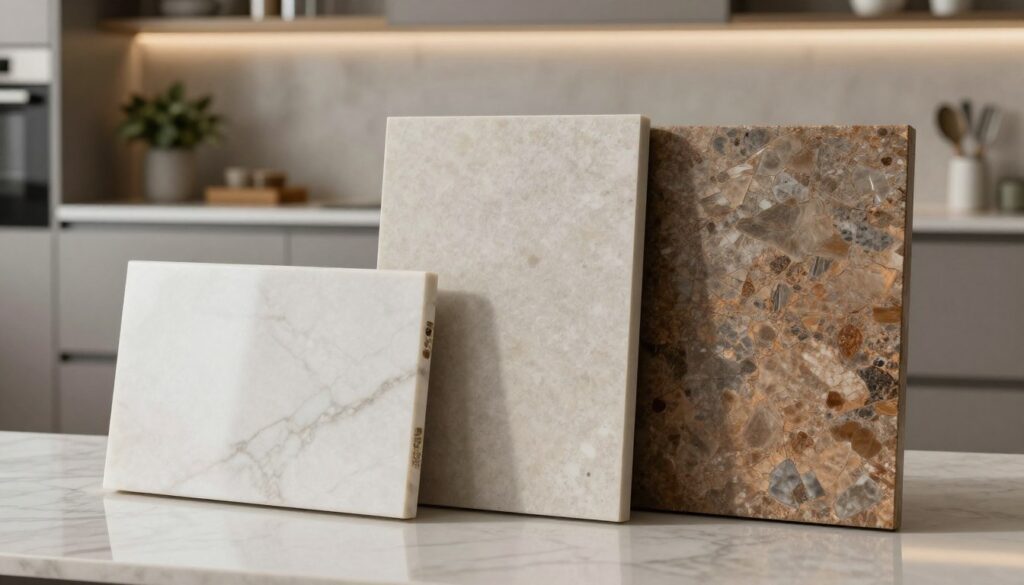
The final look of your countertop isn’t just about the stone itself—it’s also shaped by the finish you choose. This decision impacts both the style and daily function of your surface. It’s a key step in personalizing your renovation.
Advantages of a Polished Finish
A polished finish creates a high-gloss, mirror-like surface. It reflects light beautifully to highlight the depth and vibrant colors within the slab. This classic look is also the easiest to clean and maintain.
Modern Trends with Honed and Leathered Textures
For a contemporary feel, a honed finish offers a smooth, matte texture. It effectively hides fingerprints and water spots. The leathered finish provides a soft, textured sheen that adds tactile interest.
This finish is gaining popularity for kitchen islands. Each of these finishing ways alters the feel and properties of the stone.
| Finish Type | Appearance | Best For | Maintenance |
|---|---|---|---|
| Polished | High-gloss & reflective | Formal kitchens, highlighting color | Easy |
| Honed | Matte & velvety | Contemporary spaces, hiding smudges | Moderate |
| Leathered | Textured with soft sheen | Kitchen islands, adding tactile interest | Moderate |
Your choice depends on your lifestyle and desired aesthetic. A polished quartzite offers timeless shine. Honed or leathered options provide a modern, understated elegance.
Installation Insights: Fabricator Expertise and Precision Cutting
The journey from slab to installed countertop is where a fabricator’s expertise truly makes the difference. This material is incredibly hard, so standard tools won’t work. You need a professional with the right skills and specialized equipment.
Tips for Achieving Chip-Free Edges
Fabricators use industrial diamond blades to cut this stone. They must work slowly to prevent micro-fractures. Rushing the process can cause permanent damage to the slab.
Polishing happens in multiple stages for a smooth finish. Each stage uses finer grits to achieve those perfect, chip-free edges. This careful method protects the natural beauty of the stone.
Inside corners and sink cutouts require extra attention. An experienced fabricator knows how to handle these tricky areas. Choosing a shop with specific quartzite experience is vital for a seamless result.
| Fabrication Step | Key Tool/Technique | Primary Goal |
|---|---|---|
| Cutting the Slab | Diamond-tipped saw blade, slow feed rate | Clean, straight cuts without chipping |
| Edge Polishing | Progressive grit polishing pads | Smooth, reflective, and safe edges |
| Complex Cutouts | CNC machinery or skilled handwork | Precise openings for sinks and appliances |
Proper handling during installation avoids visible seams. The right equipment ensures your quartzite countertop is both stunning and structurally sound for years.
Caring for Quartzite: Cleaning, Sealing, and Regular Maintenance
A little regular maintenance goes a long way in preserving the beauty of your natural stone surfaces. Proper care ensures your investment stays protected against moisture and spills for many years.
Daily Cleaning Best Practices
Keeping your counters clean is simple. Use a soft cloth with warm water and a mild dish soap. This routine removes spills and keeps the area hygienic.
Avoid harsh chemicals or abrasive scrubbers. They can dull the finish over time. Always wipe up acidic liquids like lemon juice or wine promptly.
Effective Sealing Techniques
Most varieties need a fresh sealant about once a year. This maintains the stone’s resistance to stains from oils or colored drinks.
Test your seal by sprinkling a few drops of water on the surface. If it beads up, the seal is working. If the water soaks in and darkens the stone, it’s time to reapply.
| Maintenance Task | Recommended Frequency | Primary Goal |
|---|---|---|
| Gentle Cleaning | After each use | Remove spills and prevent residue |
| Sealant Application | Annually | Block stains and moisture absorption |
| Water Bead Test | Every 6 months | Check seal effectiveness |
Applying a quality sealer is straightforward. Ensure the surface is clean and dry, then follow the product instructions. This simple step safeguards your quartzite for the long haul.
Quartzite Compared: Granite, Marble, and Engineered Quartz
The countertop market offers a stunning array of materials, each with its own strengths and weaknesses. Understanding how they differ helps you find the perfect match for your home. A key point, recognized by geologists since 1941, is that true metamorphic stone is distinct from similar-looking rocks.
Material Advantages and Drawbacks
It’s vital to know that this premium stone is a natural product. Engineered quartz is a factory-made composite containing resins. This difference affects durability and feel.
Unlike marble, which etches easily from acids, this stone provides a similar elegant look with far greater resistance. Granite offers a wider color range, but this natural material is generally harder and offers a consistent, marble-like aesthetic.
Each option has its place. For those who love natural beauty but want to avoid the high maintenance of marble, this stone is the clear winner.
| Material | Key Advantage | Primary Drawback | Best For |
|---|---|---|---|
| Quartzite | Extreme hardness & stain resistance | Premium cost, fewer color options | High-use kitchens wanting a marble look |
| Granite | Wide color variety, good durability | Requires periodic sealing | Budget-conscious projects with bold designs |
| Marble | Timeless, luxurious veining | Prone to etching and staining | Low-traffic bathrooms, pastry stations |
| Engineered Quartz | Non-porous, consistent patterns | Can be damaged by high heat | Modern families seeking minimal upkeep |
Exploring Quartzite Varieties: Colors, Patterns, and Unique Traits
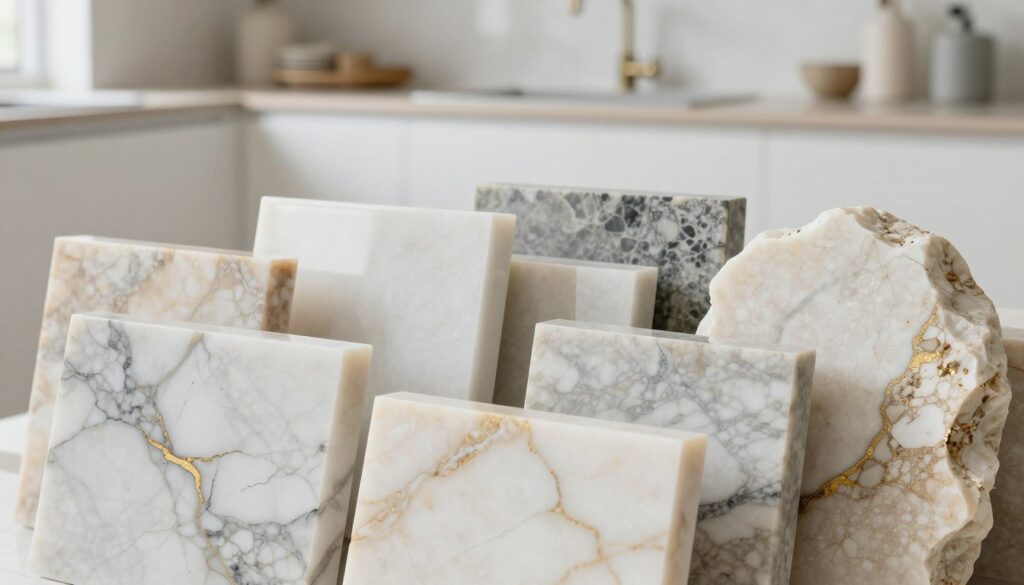
Each slab of natural stone is a fingerprint of the earth, showcasing colors and veining formed over millions of years. This natural artistry means you have a stunning array of options for your home.
Signature Varieties like Taj Mahal Quartzite
Among the most sought-after is taj mahal quartzite. It features a warm white background with soft, flowing gray veins. This elegant palette creates a neutral foundation that complements almost any design.
Choosing a variety like taj mahal ensures you get a proven performer. It combines high-end aesthetics with the legendary durability of metamorphic rock. The beauty lies in its subtle, sophisticated movement.
Other varieties offer bold veining or dramatic color contrasts. Each piece is a one-of-a-kind work of art. It’s essential to view your actual slab in person before finalizing your choice.
Natural variation guarantees no two installations are identical. Opting for a renowned type like taj mahal quartzite gives you confidence in both style and substance. Your kitchen or bath becomes a unique reflection of your taste.
The Art and Science of Quartzite Slab Dimensions and Edge Profiles
Beyond color and pattern, the physical dimensions and edge style of your slab define its final look and function. Getting these details right is key to a beautiful and practical installation.
Understanding Slab Sizes and Thickness Standards
A standard slab of this natural stone measures about 120 inches by 75 inches. This large size is a major benefit for big projects.
It allows for fewer seams in expansive kitchen islands and long countertop runs. The result is a cleaner, more seamless surface.
The industry standard thickness for countertops is 3cm. This provides ample strength and stability. Importantly, it typically does not require extra plywood support during the installation process.
Due to the incredible hardness of the stone, simple edge profiles are most popular. Styles like eased or beveled edges hold up exceptionally well over decades of use.
Elaborate profiles can be crafted, but they increase labor costs and fabrication time significantly. Understanding these standards helps you plan effectively and ensures your fabricator can deliver your vision.
Understanding the Investment: Cost Factors and Value Over Time
The price tag on a countertop tells only part of the story about its true worth. A smart investment balances the initial cost with decades of performance and beauty.
This premium countertop material is valued for its exceptional longevity. While the upfront price reflects its rarity and quality, the long-term value is undeniable.
Market Pricing and Cost Considerations
Several elements influence your final project budget. Exotic varieties with unique colors often command higher prices. The complexity of your design also plays a major role.
“You’re not just buying a slab; you’re investing in a surface that will outlast trends and daily wear.”
Fabrication details like edge profiles and sink cutouts add to the cost. A thicker slab or intricate edge requires more labor and skill. These factors all contribute to the total.
| Cost Factor | Description | Impact on Price |
|---|---|---|
| Stone Rarity | Availability of the color and pattern | High for exotic, unique slabs |
| Fabrication Complexity | Number of cutouts and edge details | Increases with custom work |
| Fabricator Expertise | Skill needed to handle hard natural stone | Essential, prevents costly errors |
Working with an experienced professional is crucial. Their expertise ensures the stone is handled correctly, protecting your investment. This natural stone can often be refinished, extending its life for generations.
While the initial cost may be higher, the durability provides outstanding value over time. You get a lasting asset that enhances your home’s function and appeal.
Geo Insights: Quartzite in Construction and Broader Architectural Uses
The story of this remarkable rock stretches far beyond modern kitchens, reaching back over a million years into human history. Its incredible hardness and unique fracture pattern made it a prime choice for early toolmakers.
Today, its uses have expanded into massive industrial and architectural projects. This natural stone is a versatile player on the global stage.
Historical Applications in Architecture
Prehistoric humans valued this material for crafting durable impact tools. They utilized its conchoidal fracture to create sharp edges.
Ancient builders also recognized its durability. Landmarks like the 500-million-year-old Stiperstones ridge in the UK showcase its resistance to weathering. This rock forms the backbone of many natural monuments.
Modern Trends Beyond Countertops
In contemporary industry, high-purity quartzite is essential. It is mined to produce quartz for silicon and glass manufacturing.
Norway’s quarries highlight this scale, producing up to 850,000 tonnes annually. The material is also used in large-scale construction and as a decorative stone for building facades.
| Era | Primary Application | Key Feature Utilized |
|---|---|---|
| Prehistoric | Stone tools & weapons | Conchoidal fracture for sharp edges |
| Ancient | Landmarks & ridges (e.g., Stiperstones) | Resistance to chemical weathering |
| Modern Industrial | Silicon & glass production | High purity of quartz minerals |
| Contemporary Architecture | Building facades & structural elements | Aesthetic beauty and structural integrity |
From the peak of Monte Binga to urban landscapes, this versatile rock continues to shape our world. Its journey from ancient tool to modern marvel is a testament to its enduring value.
Conclusion
Your search for a surface that combines lasting beauty with everyday resilience ends here. Quartzite stands out as a premier material, offering the perfect balance of elegant aesthetics and rugged durability for your home.
Understanding its geological formation, physical properties, and simple care needs allows for a confident selection. Always verify your slab’s authenticity with simple tests like the glass and acid check. This ensures you receive the high-quality stone you expect.
Partnering with a skilled fabricator is the final, crucial step. Their expertise guarantees a precise installation that honors this unique material. We hope this guide empowers you to make a choice that enhances your space’s value and function for decades.