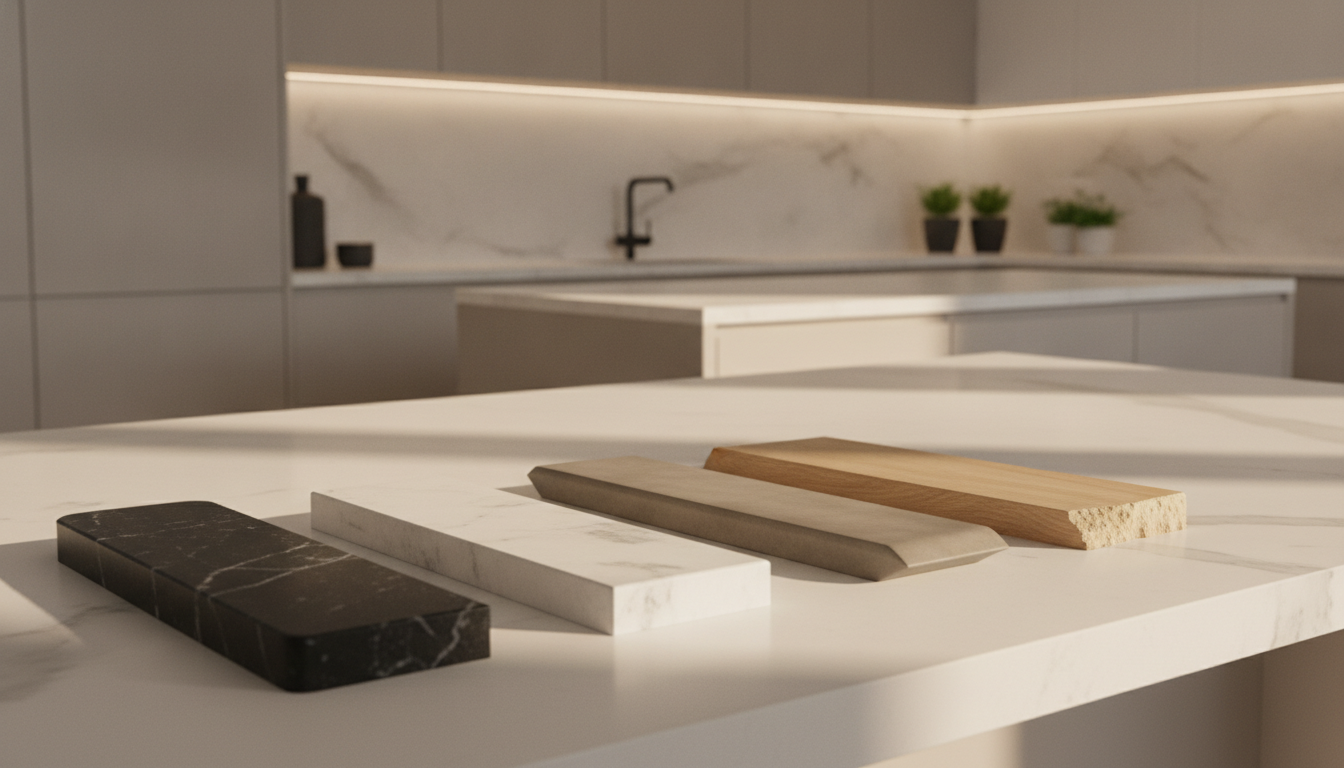
When planning a kitchen renovation, many homeowners focus primarily on stone colors or cabinet finishes. However, the small details often make the biggest impact on your final design. Selecting the best countertop edge profiles is a foundational step that defines the overall aesthetic of your cooking space.
These subtle curves and angles do more than just look good. They significantly influence the daily usability and safety of your surfaces. Whether you prefer a sleek, modern look or a soft, traditional feel, the right choice ties your entire room together.
Understanding how these finishes interact with your lifestyle is essential for a successful project. By considering both form and function, you ensure your kitchen remains both beautiful and practical for years to come.
Key Takeaways
- Edge styles dictate the visual character of your kitchen design.
- Safety is a priority, especially in homes with young children.
- Cleaning ease varies significantly between rounded and sharp finishes.
- Material durability often influences which shapes are possible.
- Professional installation ensures a seamless and polished look.
Understanding Countertop Edge Profiles
Your choice of countertop edge defines the character of your entire workspace. While many people focus primarily on the color or material of their slabs, the edge profile acts as the final detail that pulls the entire room together. Exploring various countertop edging options allows you to customize your kitchen to match your specific vision.
What Is a Countertop Edge Profile?
An edge profile refers to the specific shape or cut applied to the exposed edge of your countertop material. Whether you choose natural stone, quartz, or laminate, the fabricator uses specialized tools to shape the edge into anything from a sharp, square corner to a smooth, rounded curve. This process is essential for both the visual appeal and the physical feel of your counters.
Importance of Choosing the Right Edge
Selecting the correct profile is about more than just looks; it is about functionality and safety. A well-chosen edge can prevent accidental bumps from being painful, especially in busy households with children. Furthermore, high-quality countertop edging options can protect the integrity of your material by reducing the risk of chips and cracks over time.
When you invest in a premium surface, the edge treatment serves as a protective barrier. It ensures that your investment remains durable while providing a comfortable surface for your hands to rest on while cooking. Choosing the right profile is a smart way to balance daily utility with long-term maintenance needs.
How Edge Profiles Affect Styling
The profile you select can drastically change the mood of your kitchen. For instance, a sharp, straight edge provides a clean, modern contrast that highlights the minimalist aesthetic of contemporary cabinetry. Conversely, softer, rounded countertop edging options can create a more traditional or transitional feel, making the room appear warmer and more inviting.
Ultimately, these details act as the finishing touch for your design. By carefully considering how the edge interacts with your existing decor, you can ensure your kitchen feels cohesive and intentional. Whether you prefer a bold, architectural look or a soft, organic flow, the right edge profile brings your design goals to life.
Popular Countertop Edge Profiles
Many homeowners overlook the impact of edge profiles, yet these small details significantly influence the comfort and safety of your workspace. Choosing from popular countertop edge styles allows you to tailor your kitchen to both your aesthetic preferences and your family’s daily habits. Understanding these standard options is the first step toward creating a functional and beautiful cooking environment.
Straight Edge
The straight edge is a timeless choice for those who prefer a minimalist and modern look. It features a flat, square profile that provides a clean, sharp line along the countertop. This style is highly versatile and works exceptionally well in contemporary kitchen designs where simplicity is key.
Beveled Edge
If you want to add a touch of sophistication, the beveled edge is an excellent option. This profile features a 45-degree angle cut at the top edge, which creates a subtle decorative detail. It is highly effective at hiding minor imperfections in the stone while adding visual interest to your counters.
Bullnose Edge
The bullnose edge is perhaps the most recognizable of all popular countertop edge styles. It features a fully rounded profile that is smooth to the touch, making it a top choice for households with young children. Because there are no sharp corners, it offers superior comfort when you are leaning against the counter during meal prep.
Radius Edge
A radius edge offers a softer alternative to the sharp square cut. It features a slightly rounded top corner, which provides a gentle look without the full curve of a bullnose. This profile is perfect for balancing safety and style, ensuring your kitchen remains both inviting and practical for years to come.
Factors to Consider When Choosing Edge Profiles
When you begin designing your dream kitchen, the edge profile of your countertop serves as a critical detail that ties the room together. Finding the ideal edge profiles for kitchen counters requires a careful balance between your personal design vision and the practical needs of your household. By focusing on these key elements, you ensure your kitchen remains both beautiful and highly functional for years to come.
Material Compatibility
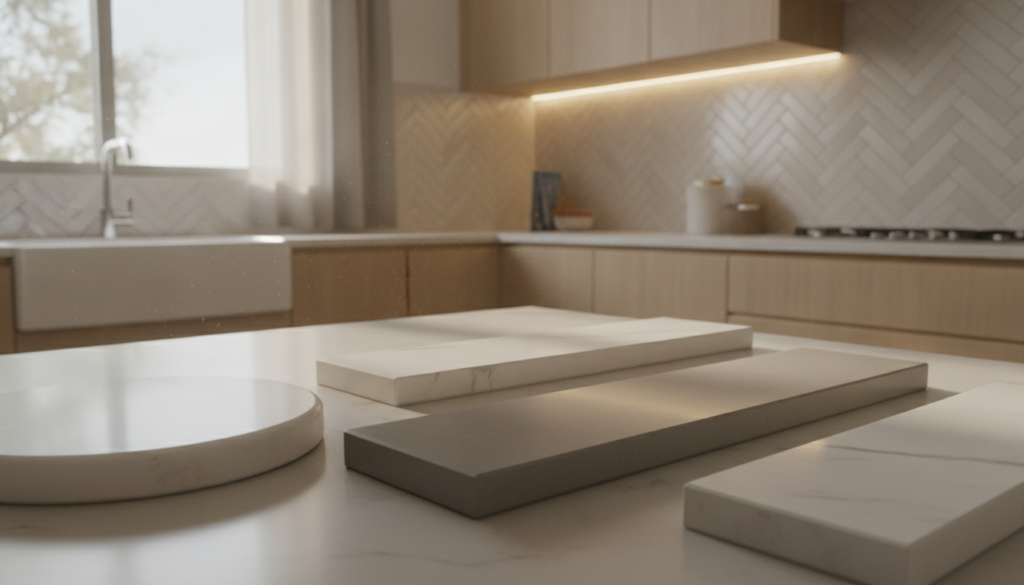
Not every edge profile works well with every countertop material. For instance, natural stones like granite or marble can support intricate, detailed edges because of their density. However, softer materials or laminates often require simpler, rounded profiles to prevent chipping or peeling over time.
Always consult with your fabricator to see which shapes are recommended for your specific slab. Choosing a profile that complements the physical properties of your material is essential for long-term durability. Proper material selection prevents premature wear and keeps your investment looking pristine.
Style and Décor
Your choice of edge profile should reflect the overall theme of your home interior. A sleek, straight edge often provides a clean look that fits perfectly in modern or minimalist kitchens. Conversely, more decorative edges like the Ogee profile add a touch of elegance to traditional or farmhouse-style spaces.
Think about how the edge interacts with your cabinetry and hardware. When you select ideal edge profiles for kitchen counters, you create visual harmony that makes the entire room feel cohesive. A well-chosen edge acts as the finishing touch that elevates your design from standard to custom.
Functionality and Safety
Daily life in the kitchen demands a surface that is easy to clean and safe for everyone. Sharp, angular edges can be difficult to wipe down and may pose a risk to young children or elderly family members. Rounded or radius edges are generally safer and much easier to maintain, as they do not trap crumbs or spills as easily as complex, grooved designs.
Consider the following table to help you compare how different profiles perform in a busy home environment:
| Edge Profile | Maintenance Ease | Safety Level | Best Style Fit |
|---|---|---|---|
| Straight | High | Moderate | Modern |
| Bullnose | Very High | Excellent | Traditional |
| Beveled | Moderate | Moderate | Transitional |
| Ogee | Low | Low | Classic |
Ultimately, the ideal edge profiles for kitchen counters are those that satisfy your aesthetic desires while meeting your specific lifestyle requirements. Prioritizing safety and ease of cleaning will ensure that your kitchen remains a welcoming space for cooking and gathering.
Best Countertop Edge Profiles for Modern Kitchens
Contemporary kitchens thrive on geometric precision and clean, uncluttered visual appeal. When designing a space that prioritizes minimalism, the details matter significantly. Choosing the right profile ensures your surfaces look intentional and high-end.
We have curated a list of top-rated countertop edge finishes that perfectly complement contemporary cabinetry and premium appliances. These selections provide the durability required for busy cooking areas while maintaining a sharp, sophisticated silhouette.
Clean Lines with Straight Edges
The straight edge is the hallmark of modern countertop edge designs. It features a flat, square profile that creates a crisp transition between the countertop surface and the side. This style is ideal for homeowners who want a bold, architectural look that emphasizes the thickness of the material.
Sleek Look of Beveled Edges
If you prefer a slightly softer transition, the beveled edge is an excellent choice. This profile features a small, angled cut at the top corner, which adds a touch of refined elegance to the kitchen. It catches the light beautifully, highlighting the quality of your stone or quartz while remaining subtle enough for a minimalist aesthetic.
The Classic Bullnose
While often associated with traditional styles, the classic bullnose has found a place in modern design. Its rounded, smooth profile provides a soft contrast to the sharp angles of contemporary cabinets and stainless steel hardware. Many designers choose this as one of the top-rated countertop edge finishes because it is incredibly comfortable to lean against during meal preparation.
Incorporating these modern countertop edge designs into your renovation will elevate the overall functionality of your kitchen. By balancing form and utility, you ensure your space remains both stylish and practical for years to come.
Traditional Edge Profiles for Classic Kitchens
Exploring trending countertop edge treatments reveals how small design choices create a massive visual impact. For homeowners aiming for a timeless or rustic aesthetic, these profiles offer character and depth that standard edges simply cannot match. Choosing the right finish helps anchor your kitchen design in a specific period or style.
Classic Ogee Edge
The Ogee edge is a hallmark of traditional design, featuring an elegant S-shaped curve that adds instant sophistication. It serves as a stunning focal point in any kitchen, drawing the eye to the countertop surface. Many designers recommend this profile for granite or marble, as it highlights the natural beauty of the stone through its intricate, flowing lines.
Simple Chiseled Edge
If you prefer a more tactile experience, the chiseled edge provides a unique, handmade appearance. This style mimics the look of stone that has been hand-hewn by a craftsman, offering a rugged yet refined texture. It works exceptionally well in kitchens that feature natural wood cabinetry or exposed brick elements.
Rustic Rock Face Edge
For those who love a truly organic feel, the rock face edge is among the most popular trending countertop edge treatments. This profile leaves the edge of the stone in its natural, jagged state, providing a bold and earthy aesthetic. It is the perfect choice for a farmhouse or mountain-inspired kitchen where you want to celebrate the raw beauty of nature.
| Edge Profile | Visual Style | Best Material | Maintenance Level |
|---|---|---|---|
| Classic Ogee | Elegant/Formal | Marble/Granite | Moderate |
| Simple Chiseled | Textured/Artisan | Quartz/Granite | High |
| Rustic Rock Face | Rugged/Natural | Natural Stone | High |
Edge Profiles for Small Spaces
When square footage is limited, your choice of countertop edge can make or break the visual flow of the room. Many homeowners overlook this detail, yet sleek countertop edge profiles serve as a powerful tool to enhance the sense of openness in a tight kitchen. By selecting the right shape, you can prevent a small area from feeling cramped or overwhelmed.
Thin Edge Profiles for Compact Designs
In a compact kitchen, visual weight is your biggest enemy. Thick, heavy edges often draw the eye downward and make the cabinetry appear bulkier than it actually is. Opting for a thinner profile creates a streamlined silhouette that allows the eye to travel across the surface without interruption.
These profiles are particularly effective when paired with light-colored materials. By keeping the edge profile slim, you maintain a sense of lightness that helps the room feel larger. This approach is a favorite among designers who prioritize functional elegance in small-scale renovations.
Minimalist Styles
Minimalism thrives on the concept that less is truly more. When you choose sleek countertop edge profiles that feature sharp, clean lines, you eliminate unnecessary visual noise. A simple flat or eased edge works wonders in a tiny space because it avoids the shadows created by more decorative, rounded profiles.
Maintaining a clean, uncluttered look is essential for keeping a small room feeling airy. By avoiding ornate details, you ensure that your countertops blend seamlessly into the overall design. This creates a cohesive environment where every inch of space feels intentional and well-planned.
| Edge Profile | Visual Impact | Best For |
|---|---|---|
| Flat/Eased | Very Minimal | Modern, tiny kitchens |
| Small Bevel | Slightly Defined | Adding subtle character |
| Thin Pencil | Extremely Sleek | Maximizing open space |
Choosing Edge Profiles for Different Materials
Discovering the perfect edge profile requires balancing your aesthetic goals with the inherent characteristics of your stone or synthetic surface. Because different materials possess unique structural properties, they often dictate which edge profiles are possible or recommended for your home. Exploring stylish countertop edge alternatives ensures that your final choice is both beautiful and durable.
Granite vs. Quartz
Granite is a natural stone that offers incredible strength, allowing for highly intricate and detailed edge profiles. You can safely choose complex shapes like the Ogee or Triple Pencil without worrying about the stone crumbling under the weight of the profile. These edges highlight the natural beauty of the stone’s veining and patterns.
Quartz, being an engineered material, provides a consistent structure that is equally capable of supporting sharp, modern edges. While it handles standard profiles like the Straight or Beveled edge perfectly, it is also excellent for custom, minimalist designs. Both materials offer a wide range of stylish countertop edge alternatives that elevate the look of any high-end kitchen.
Laminate vs. Solid Surface
Laminate countertops are typically limited by their manufacturing process, which often requires a post-formed or simple rounded edge. Because the surface layer is a thin veneer, you cannot easily carve deep, decorative profiles into the material without exposing the substrate underneath. Most homeowners stick to standard, functional edges to maintain the integrity of the laminate finish.
In contrast, solid surface materials like Corian offer much more flexibility for creative designs. Since the material is consistent throughout its entire thickness, you can sand and shape it into almost any profile you desire. Consider these factors when planning your project:
- Durability: Natural stones handle complex carving better than thin laminates.
- Seamlessness: Solid surfaces allow for smooth, integrated edge transitions.
- Design Versatility: Engineered stones provide the best balance of modern style and structural stability.
| Material | Edge Complexity | Best Style |
|---|---|---|
| Granite | High | Decorative/Traditional |
| Quartz | High | Modern/Minimalist |
| Solid Surface | Medium | Custom/Seamless |
| Laminate | Low | Standard/Rounded |
Ultimately, selecting the right material is the first step toward finding stylish countertop edge alternatives that fit your lifestyle. By understanding these limitations, you can avoid common design pitfalls and ensure your kitchen remains both functional and visually stunning for years to come.
Custom Edge Profiles: Is It Worth It?
When off-the-shelf options feel too common, exploring custom countertop edge choices can elevate your space. While standard profiles work for many homes, a bespoke design offers a level of sophistication that is hard to replicate. Deciding if this path is right for you requires balancing your aesthetic goals with your overall renovation budget.
Benefits of Customization
The primary advantage of opting for a unique edge is the ability to create a truly personalized kitchen environment. Custom profiles allow you to match the architectural style of your home, whether you prefer intricate, traditional curves or sharp, modern angles. These custom countertop edge choices serve as a signature detail that distinguishes your kitchen from standard builder-grade designs.
Beyond aesthetics, custom edges can be tailored to specific functional needs. For instance, you might request a softer radius to improve comfort for family members or a specific shape that complements your cabinetry hardware. This level of detail ensures that every inch of your countertop serves both a visual and practical purpose.
Cost Considerations
It is important to recognize that bespoke work comes with a higher price tag. Because custom profiles require specialized tooling and additional labor hours, your fabricator will likely charge a premium for the extra time spent on the stone or surface material. You should expect a longer lead time as well, as these intricate cuts demand precision and patience.
Before committing to a custom design, compare the potential increase in your project costs against the long-term value it adds to your home. If you are aiming for a high-end, luxury finish, the investment in custom countertop edge choices is often well worth the expense. However, for tighter budgets, standard profiles can still provide a clean and professional look that stands the test of time.
Maintenance and Care for Edge Profiles
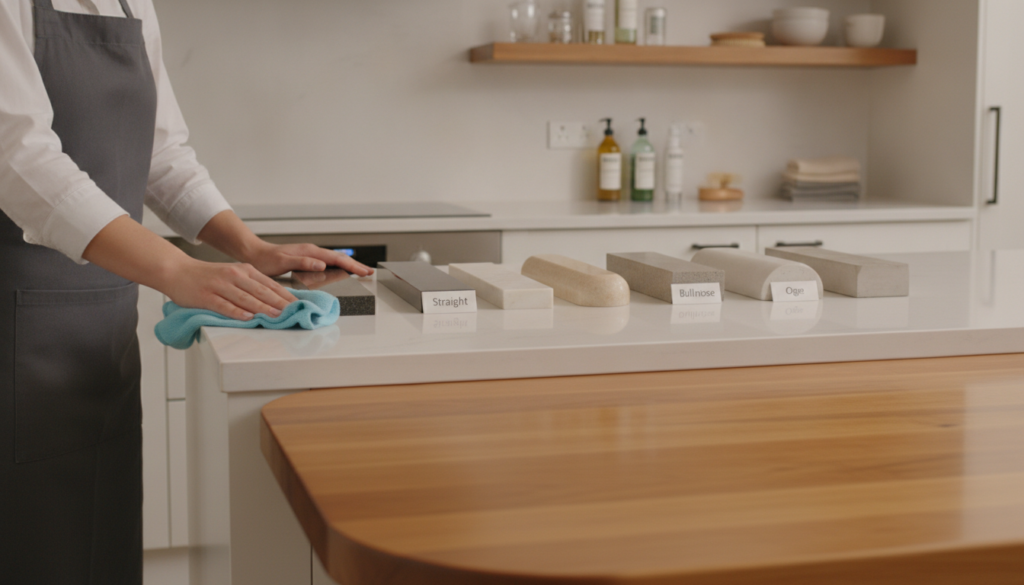
Every beautiful countertop edge profile deserves consistent care to maintain its original luster. While some edges are easier to wipe down than others, all surfaces benefit from a routine cleaning schedule. Taking a few moments each week to inspect your edges will prevent long-term buildup and keep your kitchen looking pristine.
Cleaning Tips for Different Edges
Intricate profiles, such as the Ogee or Chiseled edge, often feature small crevices where dust and crumbs can hide. You should use a soft-bristled brush or a microfiber cloth to gently remove debris from these detailed areas. Avoid using abrasive scouring pads, as these can scratch the finish of natural stone or laminate over time.
For daily maintenance, a simple mixture of mild dish soap and warm water works wonders on most materials. Always dry the edge thoroughly after cleaning to prevent water spots or mineral deposits. If you have a porous stone like granite, ensure your sealant is intact to protect the edge from staining.
Repairing Chips and Dents
Accidents happen, and a heavy pot hitting the edge of your counter can sometimes cause a small chip. For minor damage, many homeowners find success with acrylic or epoxy repair kits designed for specific countertop materials. These kits allow you to fill the gap and buff the surface until it matches the surrounding area.
If the chip is deep or located in a highly visible area, it is often best to contact a professional fabricator. Attempting a complex repair on your own might lead to uneven surfaces or color mismatches that are difficult to fix later. Professional intervention ensures that the structural integrity and aesthetic appeal of your edge remain fully restored.
| Edge Profile | Cleaning Difficulty | Repair Complexity | Best Maintenance Tool |
|---|---|---|---|
| Straight Edge | Low | Low | Microfiber Cloth |
| Bullnose Edge | Low | Medium | Soft Sponge |
| Ogee Edge | High | High | Soft-bristled Brush |
| Beveled Edge | Medium | Medium | Microfiber Cloth |
Final Thoughts on Selecting the Best Edge Profile
Your kitchen renovation journey reaches a peak when you select the finishing touches that define your space. Choosing the right details transforms a standard room into a personalized sanctuary. You now possess the knowledge to evaluate how specific shapes impact your daily routine and overall home aesthetic.
Recap of Key Considerations
Focus on how your chosen material interacts with your lifestyle needs. Durable surfaces like Cambria quartz or Caesarstone often pair well with simple, rounded edges to prevent chipping. Consider the daily cleaning requirements of intricate designs versus the ease of maintaining a straight or beveled edge. Balancing these practical needs helps you identify the best countertop edge profiles for your specific household.
Inspiring Your Kitchen Design Choices
Trust your instincts when matching these profiles to your cabinetry and hardware. A cohesive look brings harmony to your cooking area while reflecting your unique personality. Whether you prefer the sharp, modern appeal of a straight cut or the soft elegance of a bullnose, your decision shapes the character of your home. Use these insights to confidently select the best countertop edge profiles that will serve your family for years to come.